Kenyan maize farmers are being introduced to alternative ways to control fall armyworm through a China-funded agricultural programme that promotes natural pest control, early detection, and better crop monitoring.
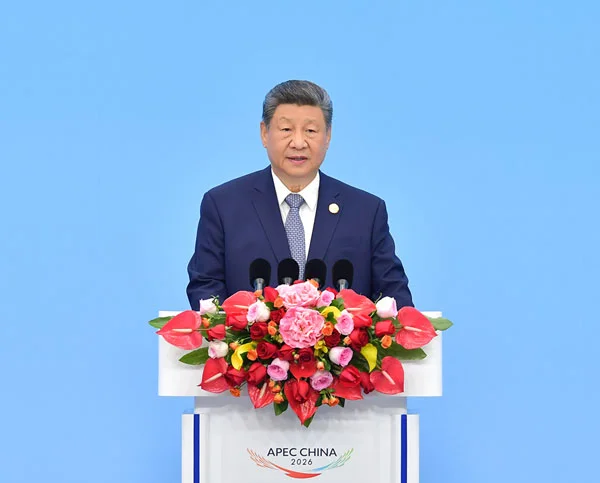
The project’s progress was reviewed at a workshop held in Nairobi from November 10 to 12, 2026, bringing together representatives from China’s Ministry of Agriculture and Rural Affairs, Kenya’s State Department of Agriculture, Ghana’s Ministry of Food and Agriculture, and the Food and Agriculture Organization of the United Nations (FAO).
Funded by China’s Ministry of Agriculture and Rural Affairs and implemented in partnership with FAO, the initiative supports Kenya and Ghana in strengthening their capacity to detect, monitor, and manage fall armyworm through more sustainable farming practices.
Why fall armyworm is a concern for farmers
Fall armyworm is an invasive insect whose caterpillars feed on maize leaves and growing points, damaging plants and potentially reducing harvests.
First reported in Kenya in 2017, the pest has since become a persistent challenge for maize farmers.
Controlling it can be difficult because farmers must identify infestations early and choose the right response.
Those who cannot recognise the pest or distinguish it from other maize pests may use unsuitable pesticides or apply chemicals incorrectly, increasing their costs without effectively controlling the infestation.
The challenge is particularly significant for smallholder farmers who depend on maize for household food supplies and income.
How the project is helping
The project promotes integrated pest management, an approach that combines different methods of controlling pests rather than relying entirely on chemical spraying.
One of the methods involves biological control, which uses natural enemies to reduce pest populations. Working with the Kenya Agricultural and Livestock Research Organization (KALRO), the programme supported the rearing of locally occurring insects that attack fall armyworm eggs in laboratories.
These natural enemies have been released in Bungoma and Embu counties.
Known as egg parasitoids, the tiny insects lay their eggs inside fall armyworm eggs, preventing the pest from developing and hatching into crop-damaging caterpillars.
Maged Elkahky, FAO Agricultural Officer and Lead Technical Officer of the project, explained that the biological-control agents were locally occurring species rather than insects introduced from elsewhere.
“The FAW natural enemies being released are native species mass-reared in the laboratories of the Kenya Agricultural and Livestock Research Organization (KALRO) to support local farmers and strengthen the long-term sustainability of FAW management practices,” he said.
The programme has also introduced pheromone traps to monitor adult fall armyworm moths. The traps attract male moths and help farmers and agricultural officers identify pest activity in their areas.
However, the presence of moths in a trap does not automatically mean farmers should spray their crops. Instead, it signals the need to inspect maize plants for eggs, caterpillars, and fresh signs of damage before deciding on the appropriate response.
What the project means for Kenyan farmers
Early detection gives farmers more time to respond before fall armyworm causes extensive damage to their crops.
Biological control and better monitoring can also help reduce unnecessary pesticide applications. This could lower spending on chemicals while limiting their effects on beneficial insects and the environment.
The approach does not eliminate the need for pesticides, but it helps farmers make more informed decisions about when and how to use them.
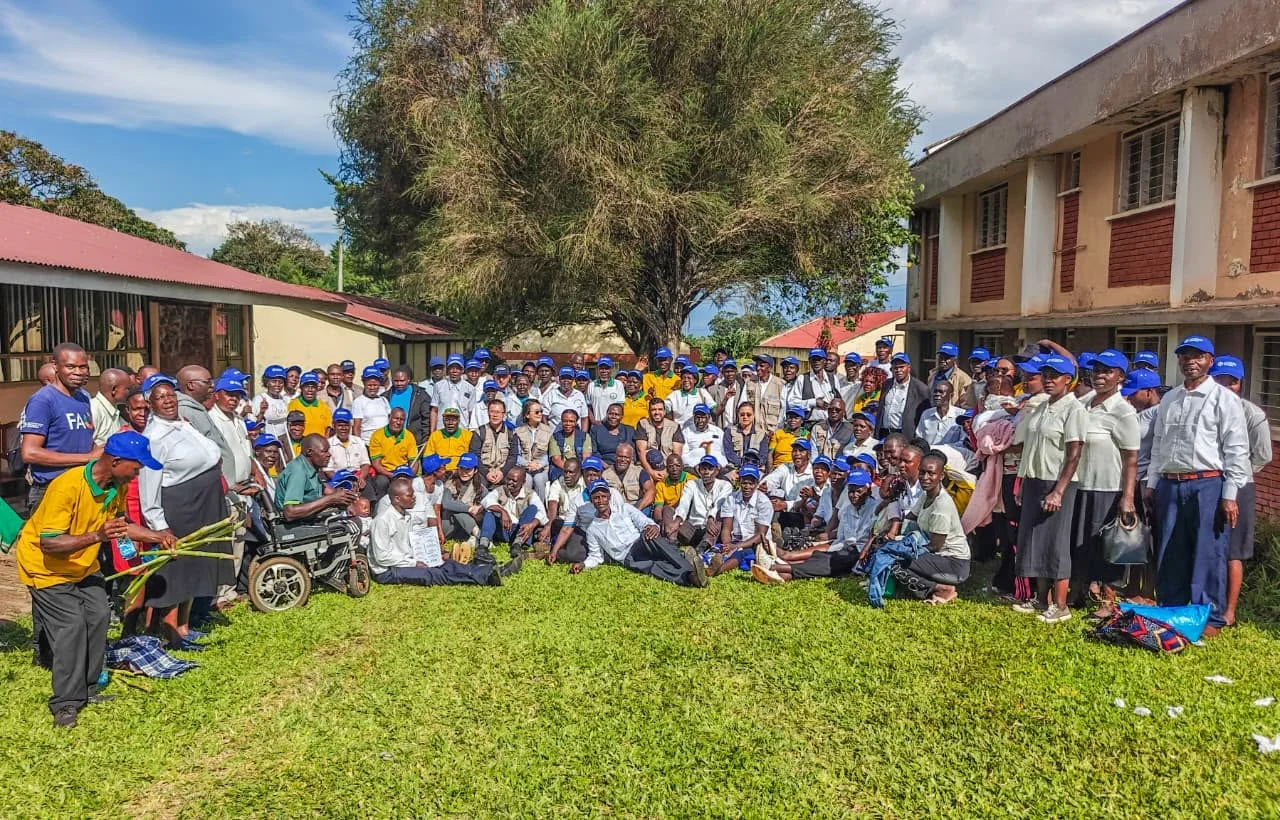
Through Farmer Field Schools, farmers learn how to identify the pest, monitor their fields, and understand how different control methods work. The practical training also allows them to observe and test the approaches under local farming conditions.
The project supported the establishment of 50 Farmer Field Schools in Kenya, with 25 in Bungoma and another 25 in Embu. According to the Chinese Embassy in Kenya, 120 schools were established across Kenya and Ghana, directly benefiting more than 5,000 farmers in the two countries combined.
Building a lasting approach
Beyond introducing pest-control methods, the initiative has focused on strengthening agricultural research, farmer training and monitoring systems to ensure the approaches can continue beyond the project period.
Elkahky said sustaining the knowledge and partnerships developed through the programme would be important to its long-term impact.
“The priority is to embed the project’s knowledge, partnerships and solutions in national systems. Linking early warning, biological control and Farmer Field Schools helps farmers make informed decisions and strengthen national capacity for sustainable fall armyworm management,” he said.
The project's three-year implementation has now reached its wrap-up stage, with partners discussing how to maintain and expand the approaches introduced.
The long-term impact of the cooperation will depend on whether the methods reach more maize-growing communities and continue to receive support through agricultural research and extension services.